

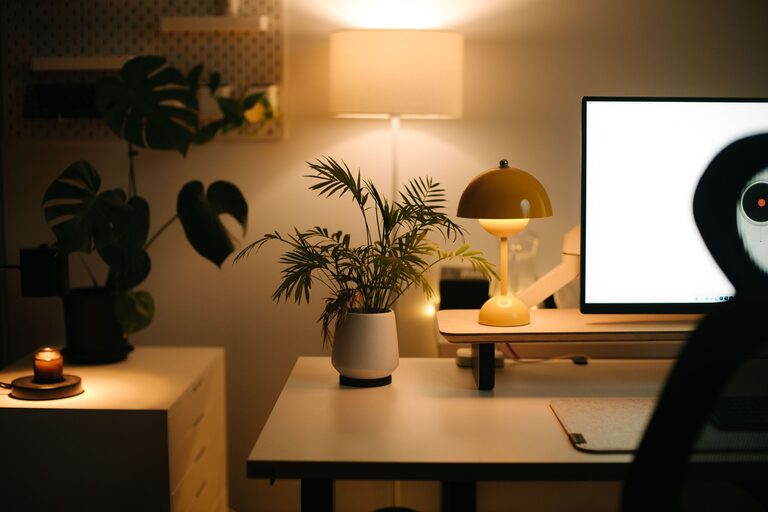
Creating a cozy and productive home office space is essential for anyone working from home or seeking a quiet corner to focus. With many people spending more time indoors, having a dedicated area that balances comfort with functionality can significantly improve work quality and overall well-being. In this post, we’ll explore practical tips to help you design a home office that’s both inviting and efficient.
Why a Cozy and Productive Home Office Matters
A well-designed home office can boost your creativity, reduce distractions, and help maintain a healthy work-life balance. When your workspace feels comfortable and inviting, you are more likely to stay engaged and motivated throughout your workday.
Choosing the Right Location
Find a Quiet Space
Select a spot in your home that is quiet and free from frequent interruptions. A spare room, corner of a bedroom, or an unused dining area can work well if they allow you to focus.
Natural Light is Key
Whenever possible, position your desk near a window. Natural light not only reduces eye strain but can also elevate your mood and energy levels. If natural light is limited, invest in good-quality desk lamps that offer bright, adjustable lighting.
Furniture That Supports Comfort and Health
Ergonomic Chair and Desk
Investing in an ergonomic chair that supports your back and encourages good posture is crucial. Pair it with a desk at the right height to prevent strain in your neck, shoulders, and wrists.
Adjustable Options
Consider a desk with adjustable height so you can switch between sitting and standing. This flexibility helps reduce fatigue and promotes circulation during long work hours.
Organizing Your Workspace
Declutter Regularly
A clutter-free workspace encourages focus and reduces stress. Keep only essential items on your desk, and regularly tidy up to maintain an organized environment.
Smart Storage Solutions
Incorporate shelves, drawers, or filing cabinets to store documents, supplies, and gadgets out of sight but within reach. Using labeled containers can make it easier to find things quickly.
Personalizing for Comfort and Inspiration
Add Cozy Elements
Incorporate soft rugs, cushions, or blankets to add warmth and comfort to your space. These touches make your office feel like a welcoming part of your home.
Use Calming Colors
Choose a color palette that soothes and motivates you. Soft blues, greens, or neutral tones are popular choices for reducing stress and promoting focus.
Include Greenery
Plants not only brighten up your workspace but can also improve indoor air quality and reduce fatigue. Low-maintenance plants like succulents or pothos are perfect for busy workdays.
Technology and Tools
Reliable Internet and Devices
Ensure you have a stable internet connection and up-to-date technology. Having the right tools, from a fast computer to quality headphones, helps avoid disruptions and boosts efficiency.
Cable Management
Keep cables organized and out of the way to maintain a neat workspace. Use clips, sleeves, or cable boxes to prevent tangles and accidental unplugging.
Establishing a Routine
Set Regular Hours
Having consistent work hours helps create boundaries between work and personal time. Use alarms or calendar reminders to start and end your workday.
Take Breaks
Incorporate short breaks to stretch, hydrate, or walk around. These pauses recharge your mind and body, making you more productive when you return.
Minimizing Distractions
Noise Control
If noise is an issue, use noise-canceling headphones or play soft background music to maintain focus. Alternatively, white noise machines can help drown out disruptive sounds.
Separate Work and Leisure Zones
Try to keep your home office space distinct from areas used for relaxation or entertainment. This physical separation reinforces a work mindset and reduces temptation.
Final Thoughts
Creating a cozy and productive home office is about balance. By combining comfort, organization, and thoughtful design, you can create a space that supports your work goals and wellbeing. Start with small changes and customize your office to fit your unique preferences. Over time, you’ll find that a well-designed workspace makes remote work more enjoyable and effective.